
Cook by Color: Vibrant Plates, Nourished Bodies
Why Eating the Rainbow Works

Staples That Last Without Losing Color Power
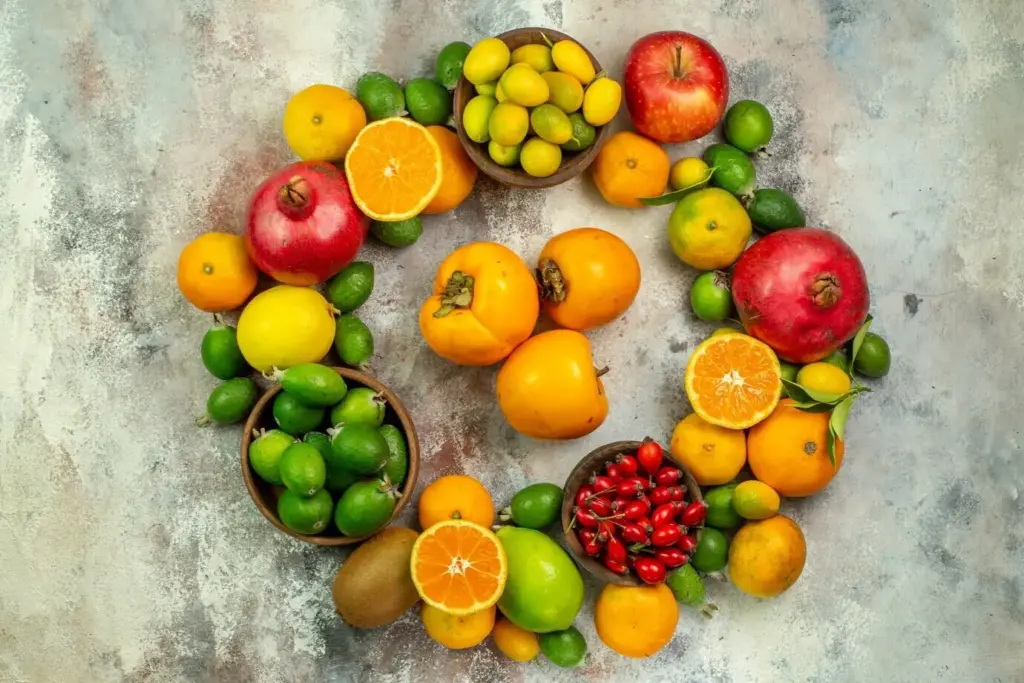
Canned tomatoes, frozen berries, pumpkin puree, jarred peppers, turmeric, paprika, and dried herbs preserve color and nutrients remarkably well. Store them away from light and heat to maintain potency through busy months. Frozen spinach and peas offer quick greens that brighten pastas and soups when fresh isn’t available. Dried lentils, chickpeas, and whole grains round plates with steady protein and fiber. Keep a rotation list on the pantry door to reduce waste and guesswork.
Smart Shopping Routes and Seasonal Swaps
Plan your route: hit produce first for inspiration, then choose proteins that match your color plan. In winter, swap pricey fresh berries for frozen; in summer, lean on tomatoes, zucchini, and stone fruit. Bell peppers are sweetest and most affordable when local, while canned pumpkin shines in savory stews beyond pie. Ask markets about seconds or cosmetically imperfect produce for discounts. Let availability guide creativity, turning a limited selection into an exciting, economical cooking adventure.
Containers, Labels, and Visibility Tricks
Use clear bins and shallow baskets so colorful produce stays visible and gets eaten. Assign fridge zones for color nights—reds on the right, greens on the left—so dinner decisions become automatic. Label jars with friendly color dots and brief usage notes, like “toss with chickpeas” or “finish roasted carrots.” Keep cut veggies at eye level to encourage snacking. Involve kids with sticker-labeling; ownership turns chores into playful discovery and sparks curiosity around new, vibrant ingredients.
Techniques That Protect Pigments
Steam, Sauté, Roast: When to Use Each Method
Acids and Fats: Partners for Absorption
A Week of Color-Planned Dinners
Monday Reds: Tomato-Bean Skillet with Roasted Peppers

Wednesday Greens: Zesty Kale-Quinoa Bowl
Stories from a Colorful Kitchen
Join the Movement: Share, Learn, Subscribe
All Rights Reserved.